Research Team Members
Our diverse team brings together expertise in architecture, engineering, public health, and social sciences.
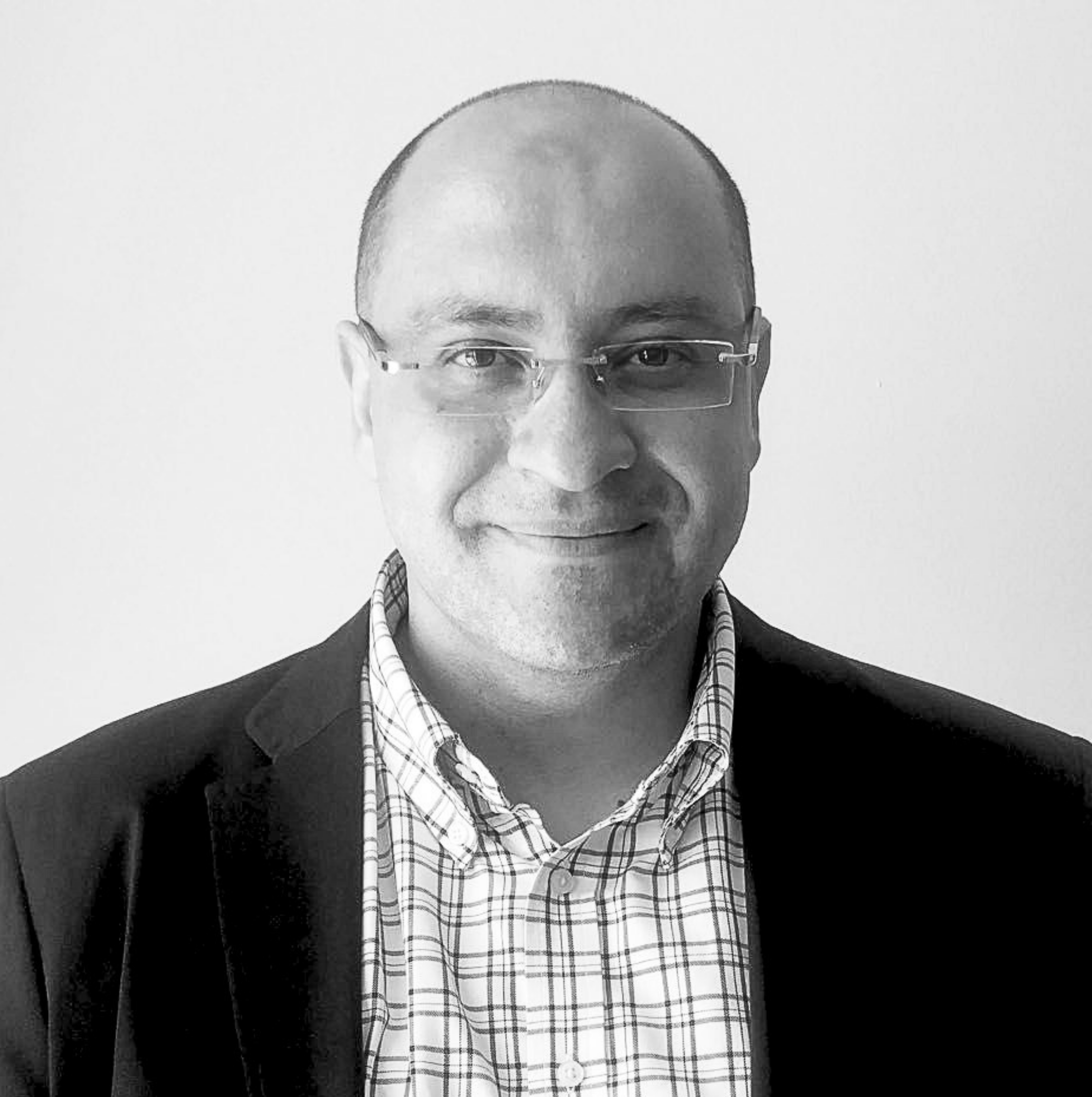
Dr. Ashraf Nessim
PI-EG
Ain Shams University
Dr. Nessim is an Associate Professor of Architecture at Ain Shams University, with over 20 years of academic and professional experience. He holds an M.Sc. in Environmental Studies, specialising in Daylighting, and a Ph.D. focusing on the exterior lighting of heritage buildings and their surrounding environment. His professional experience includes architectural consultancy and collaboration with local and international firms on projects in Egypt, the UAE, and Oman. Dr. Nessim has published several research papers and participated in international conferences and workshops, and currently leads the Climate Resilient Energy Efficient Low-income Housing in Egypt (CRLiH) research project.
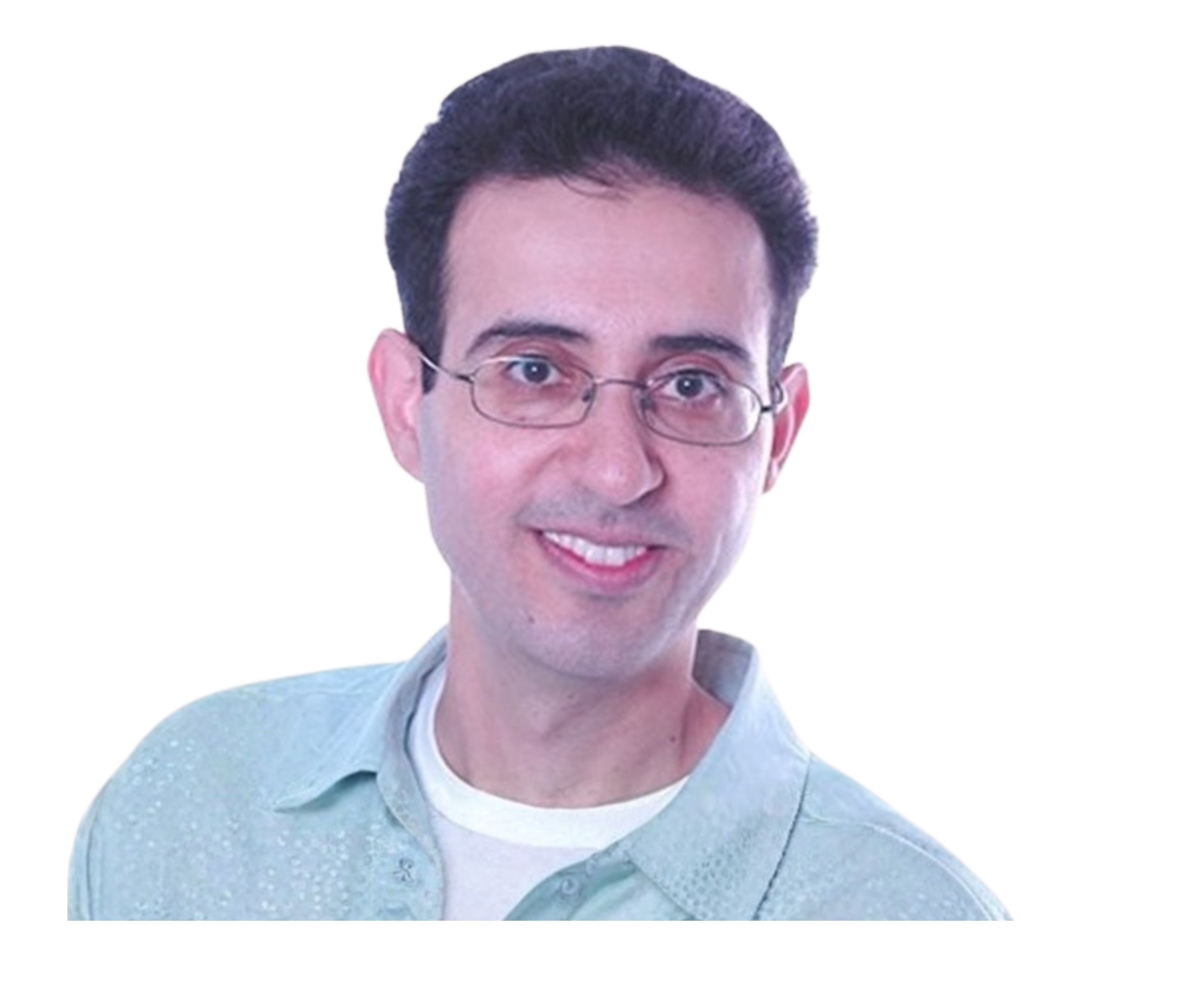
Dr. Arman Hashemi
PI-UK
University of East London
Dr. Hashemi is the Programme Leader for BSc (Hons) Architectural Design Technology at the University of East London (UEL), with over 20 years of academic and professional experience in the UK and internationally. His research focuses on building performance, energy, thermal comfort, and indoor air quality in buildings. He leads multidisciplinary research groups at UEL and has extensive experience in research, design, and construction projects across the built environment. Dr. Hashemi is the UK Principal Investigator of the Climate Resilient Energy Efficient Low-income Housing in Egypt (CRLiH) project, with a strong focus on climate change, sustainable design, and resilient built environments.
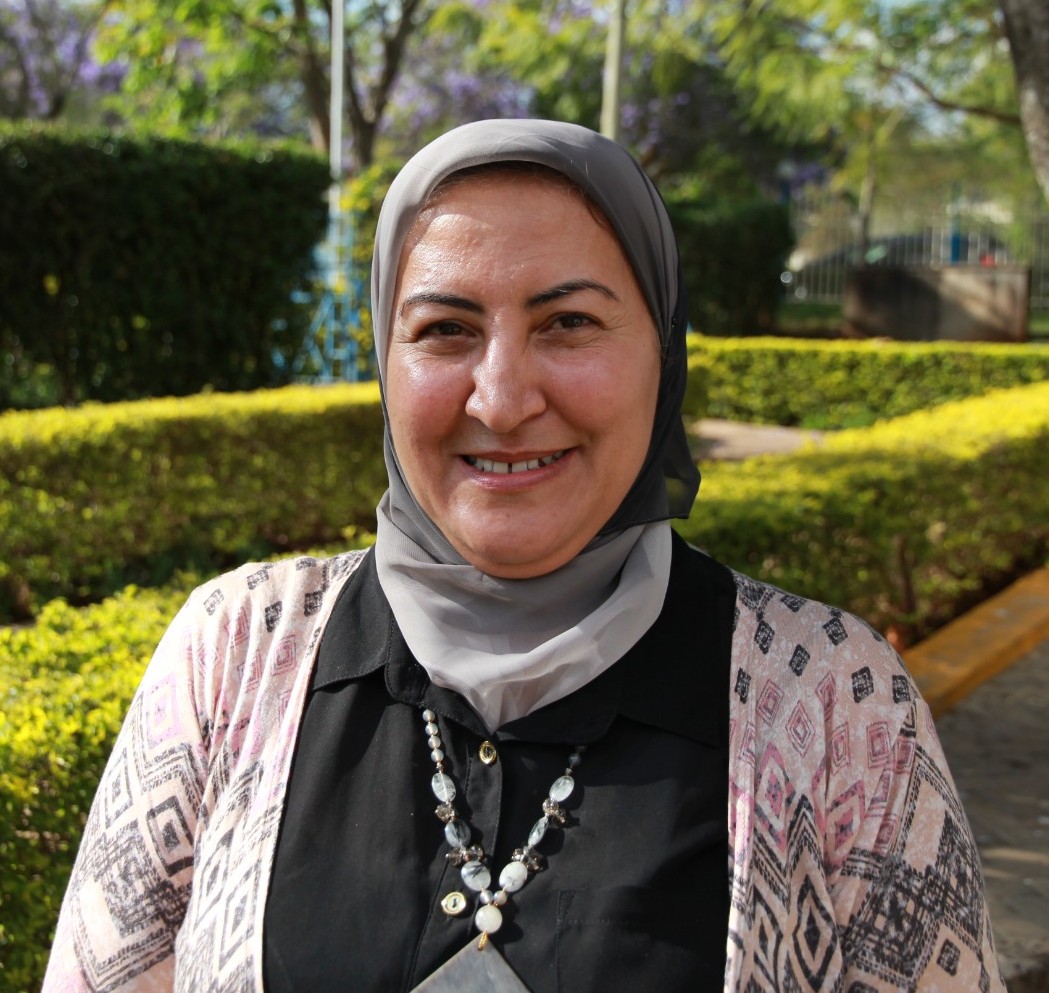
Prof. Marwa Khalifa
CO-PI-EG
Ain Shams University
Marwa Khalifa is a Professor of Sustainable Urbanism with academic and professional expertise in sustainable urban development, resource efficient cities, Nature Based Solutions (NbS), climate resilience, and sustainable urban land restoration. A founder and former director of the BSc (Hons) “Environmental Architecture and Urbanism”, in Dual Degree with the University of East London, and the Master program on “Resource Efficiency for Sustainable Cities”. Provided consultations to national and international funded projects in urban resilience, climate adaptation, and sustainable city planning. Contributed to major funded projects by the UN-HABITAT, Erasmus, World Bank, and DAAD organizations. Published over 40 high-impact papers (Scopus H-index: 9) and supervised 18 PhD and 40+ MSc theses. Since July 2025, Vice Dean for Graduate Studies and Research at the Faculty of Engineering, Ain Shams University.
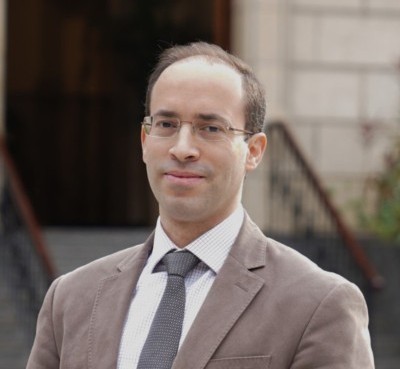
Dr. Amr Elbanhawy
Life Cycle Impact Assessment Expert
Ain Shams University
Dr. Amr Elbanhawy is Associate Professor of Mechanical Engineering at Ain Shams University (ASU), where he serves as Director of the Energy Technology and Climate Change Laboratory. His interdisciplinary research lies at the intersection of decarbonisation, sustainable development, and technology innovation policy, with scholarly contributions spanning renewable energy integration, energy storage, agricultural decarbonisation, and biomass-derived clean fuels. A Chartered Member of the Institution of Mechanical Engineers, Dr. Elbanhawy brings extensive international industry and technology investment experience, having held engineering and commercial positions with Bechtel Power and the UK’s Welding Institute, as well as serving as a Senior Technology Investment Advisor at Orascom Construction.