Project Timeline
Key milestones and phases across the 2025–2027 research programme.
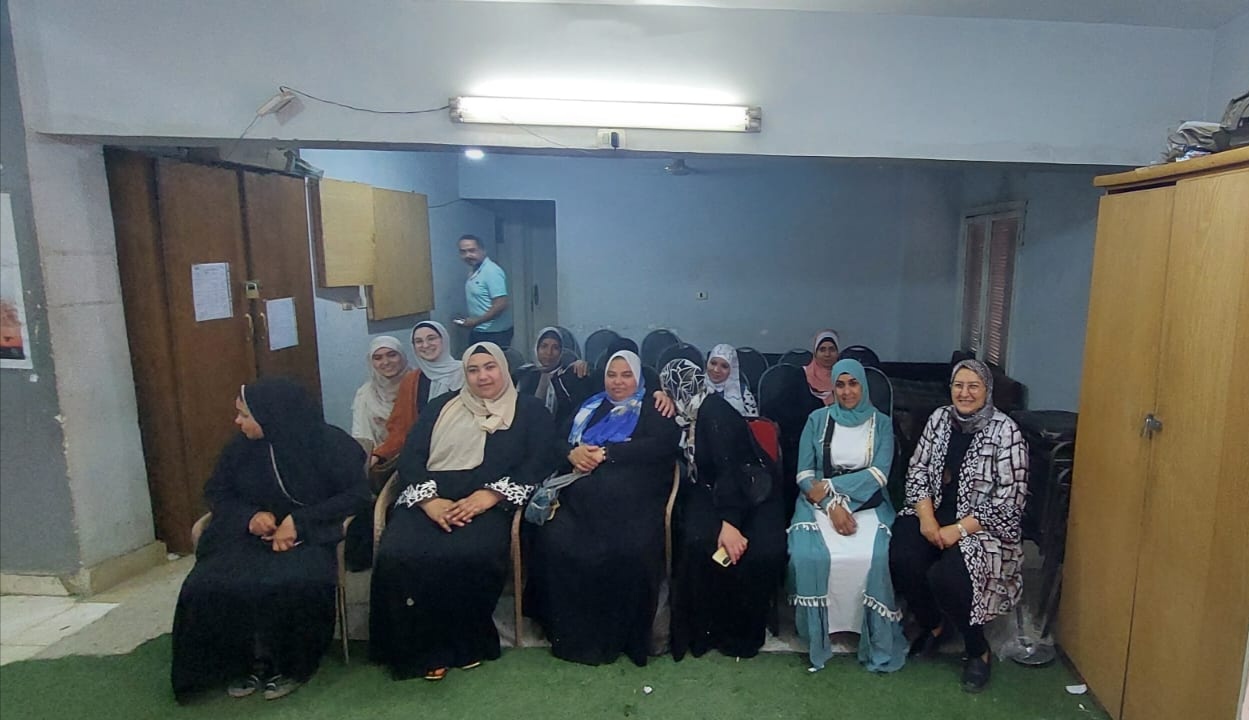
April 2025
Project Inception
Project was Lunched
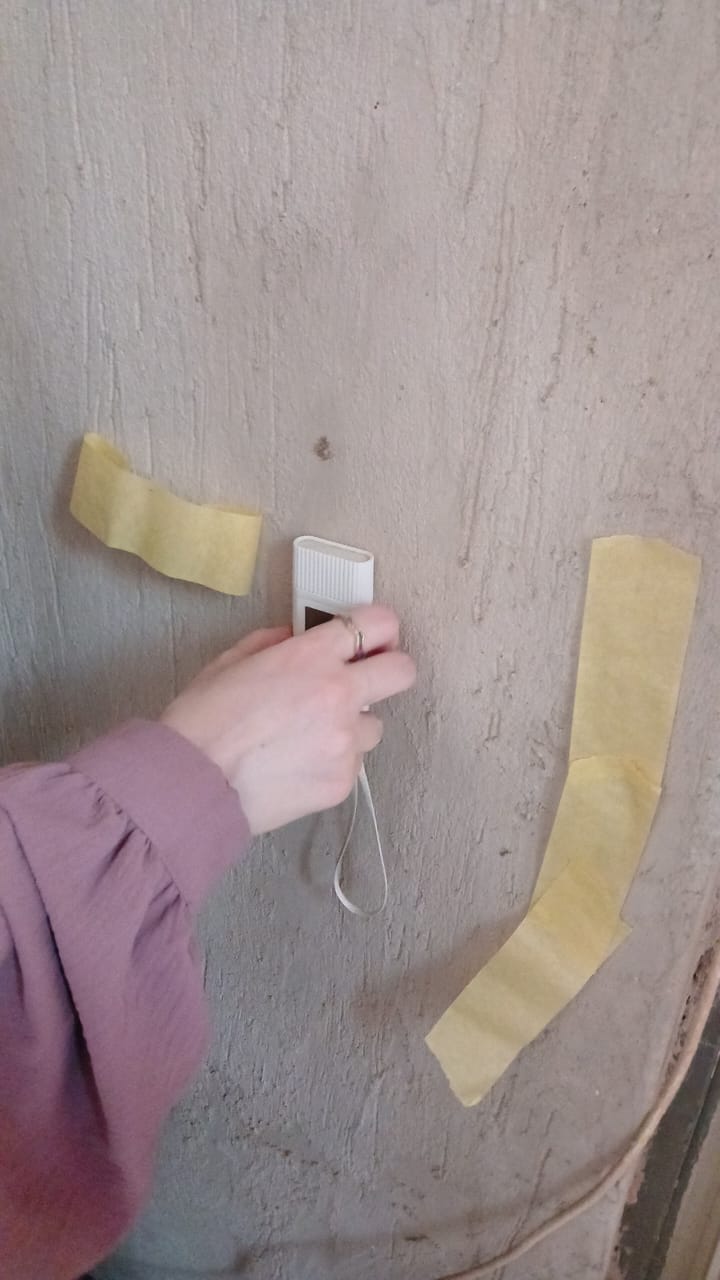
July – August 2025
Summer Data Collection
Summer data logger deployment, residents' survey, and data monitoring visits to Al-Asmarat.
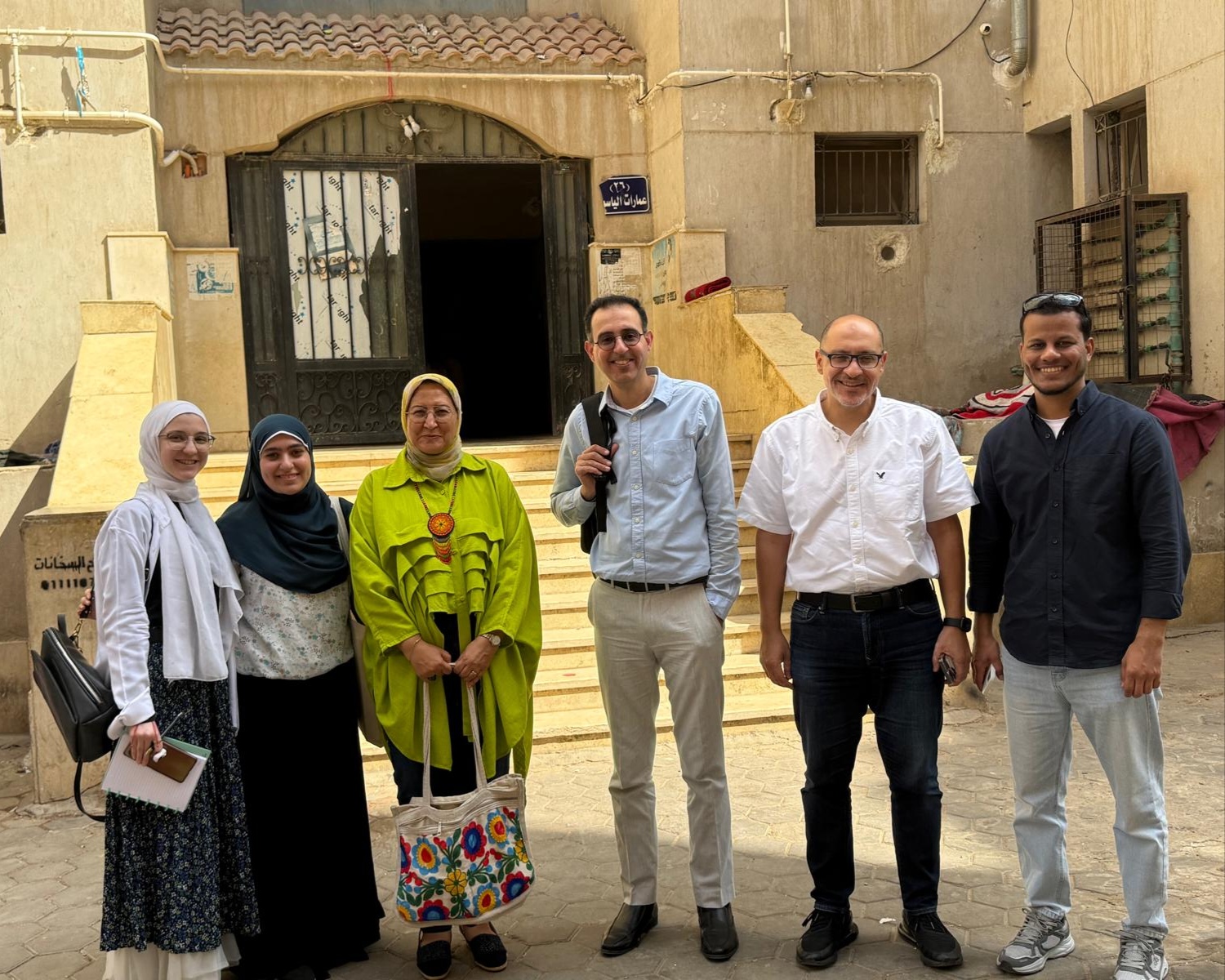
September 2025
Partner Visit to Egypt
Three-day visit by the PI (UK) to Egypt, including a site visit, a webinar, an introductory presentation for the project, and a research team discussion.
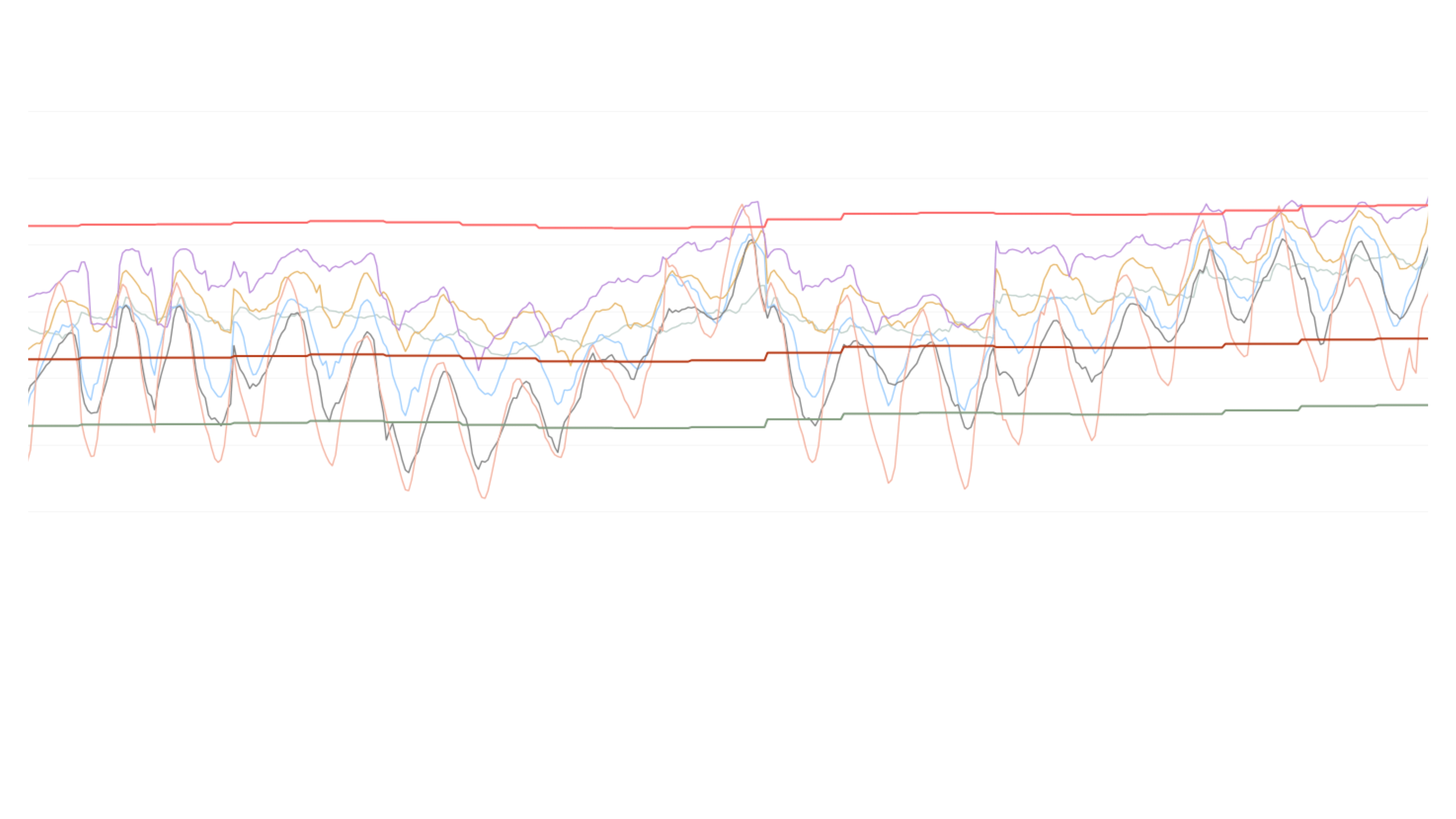
September - October 2025
Summer Data Analysis
Analysis of summer data and questionnaire responses using CIBSE standards
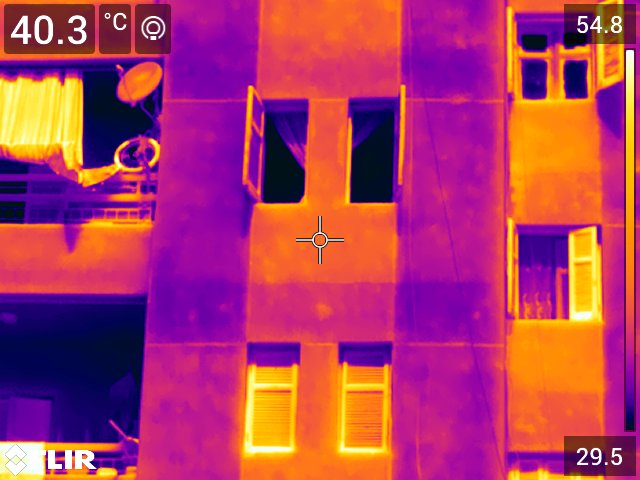
October 2025
Thermal imaging
Thermal imaging analysis in Al-Asmarat.
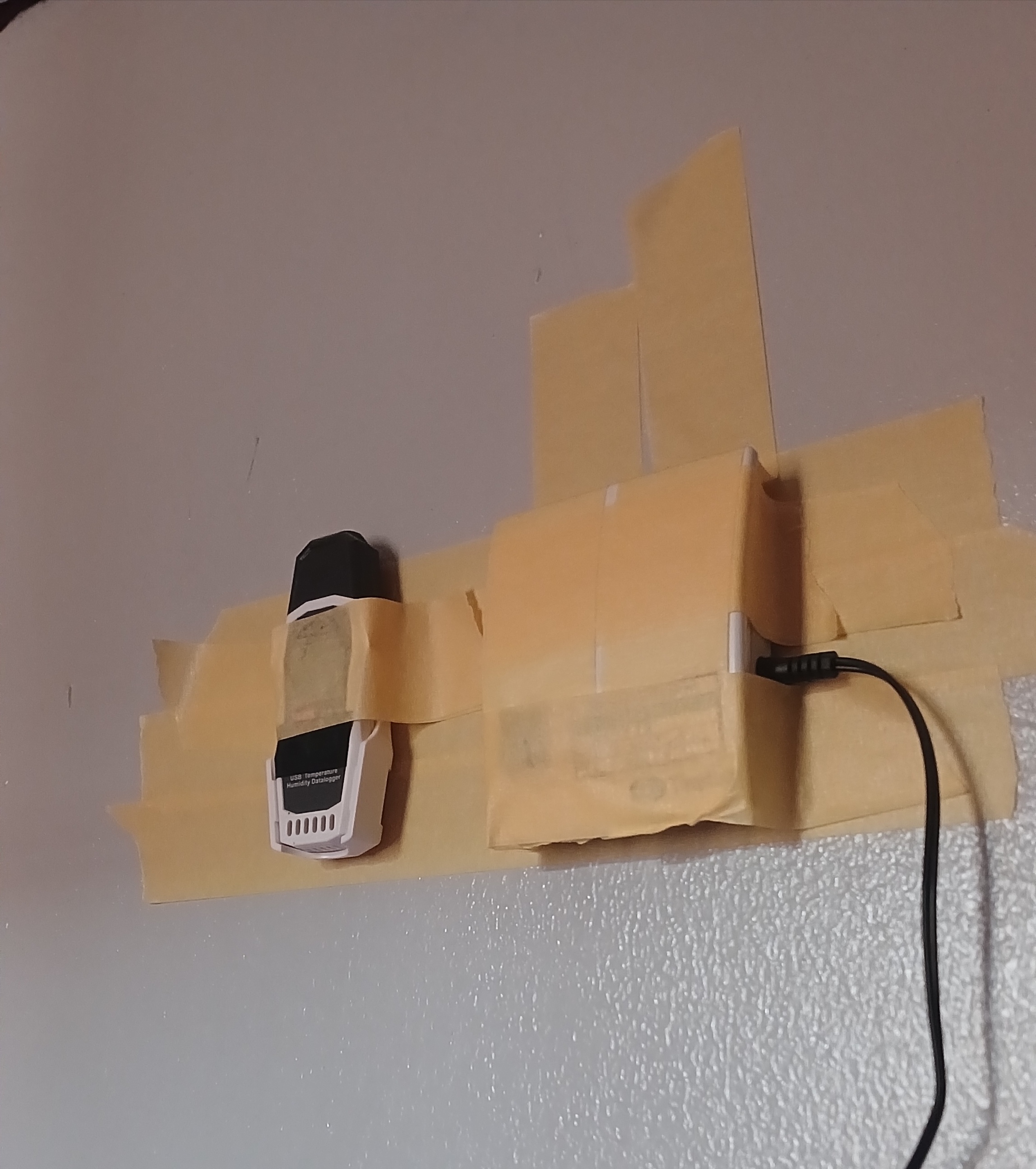
January 2026
Winter Data Collection
Winter data logger deployment, residents' survey, and data monitoring visits to Al-Asmarat.
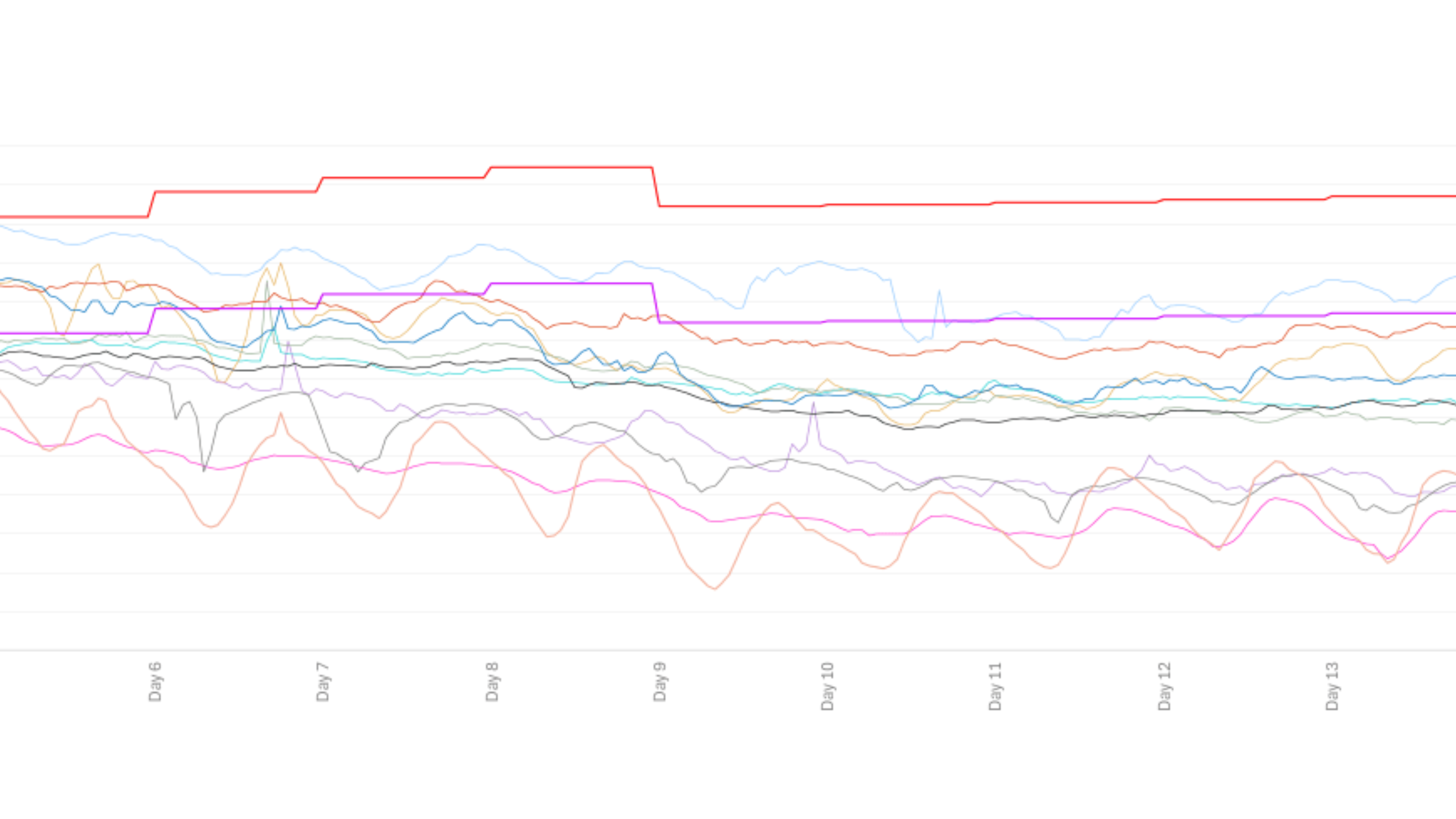
February - March 2026
Winter Data Analysis
Analysis of winter data and questionnaire responses using CIBSE standards.
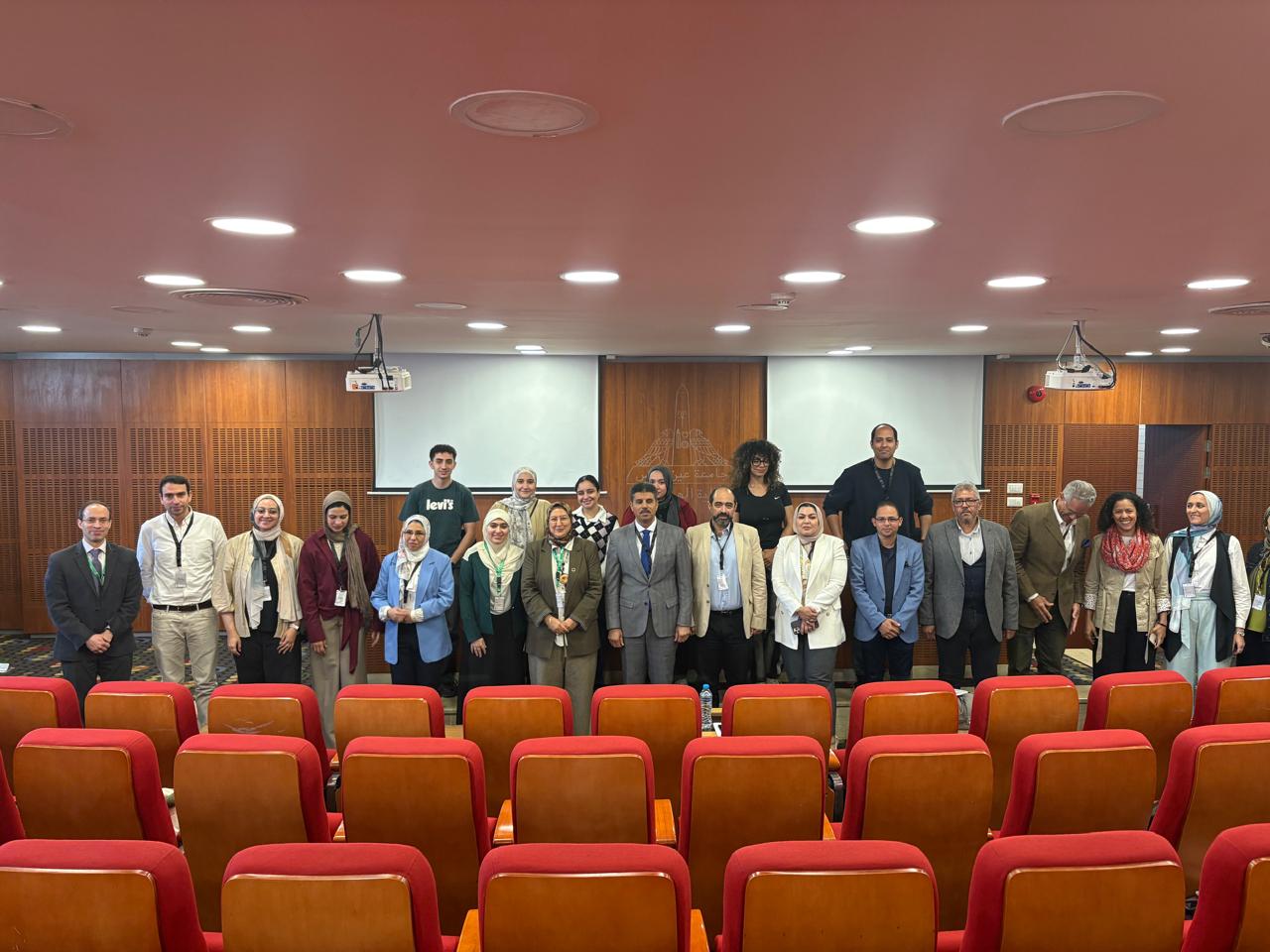
6 May 2026
Retrofit Strategies Workshop 1, ASU
Roundtable discussion workshop with experts and industry engineers at the Faculty of Engineering, Ain Shams University, Cairo, Egypt.
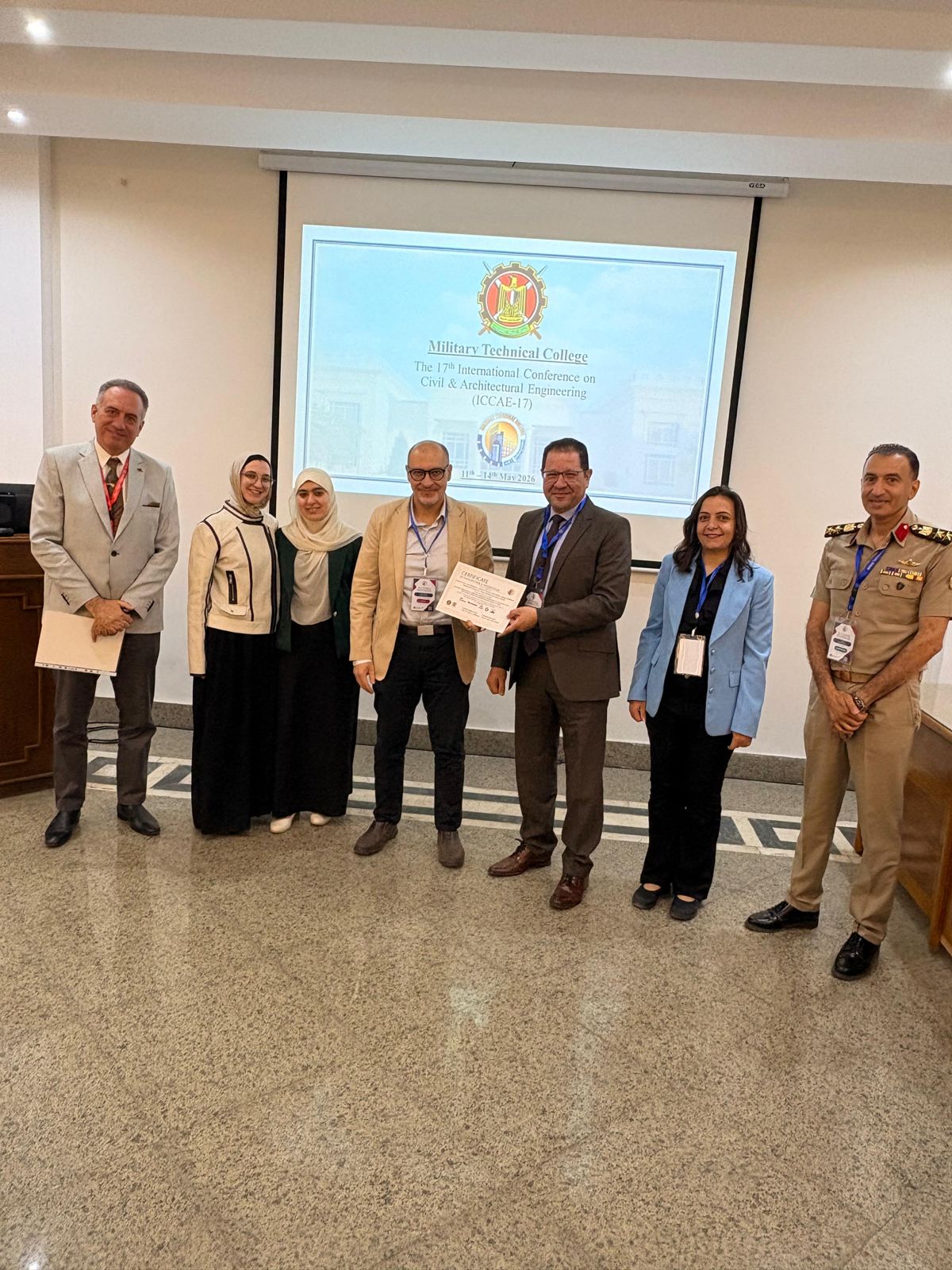
21 May 2026
ICCAE'17 Conference
Participation in the ICCAE'17 Conference with a paper titled "Occupant Behaviour as a Climate Adaptation Mechanism in Low-Income Housing: Evidence from Al-Asmarat Housing Project in Cairo, Egypt."
.jpeg)
June 2026
Retrofit Strategies Workshop 2, UEL
Discussion workshop with experts, master's students, and academic staff from the University of East London, UK.
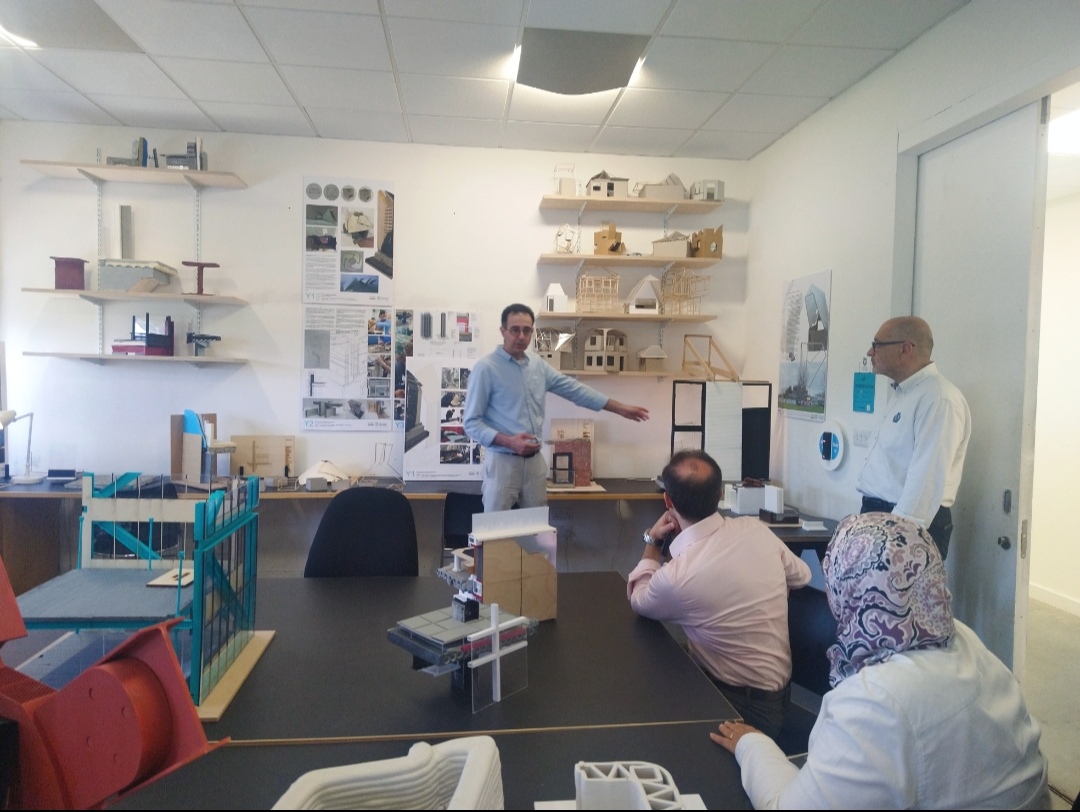
June 2026
Egyptian Team Visit to UK
Research team discussion and project follow-up, followed by a tour of the University of East London (UEL).
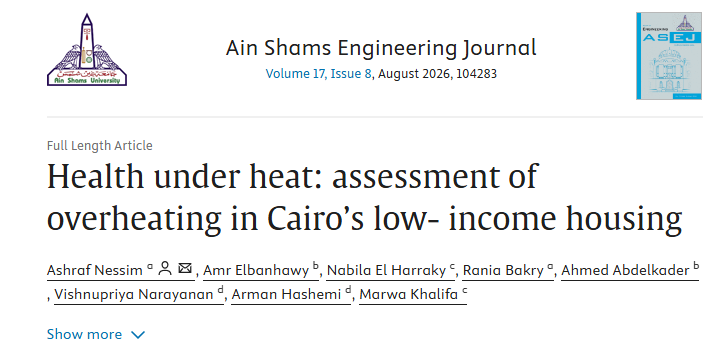
August 2026
ASEJ Journal Article
Publication of the First Journal Paper in the Ain Shams Engineering Journal Titled "Health under Heat: Assessment of Overheating in Cairo's Low-Income Housing"